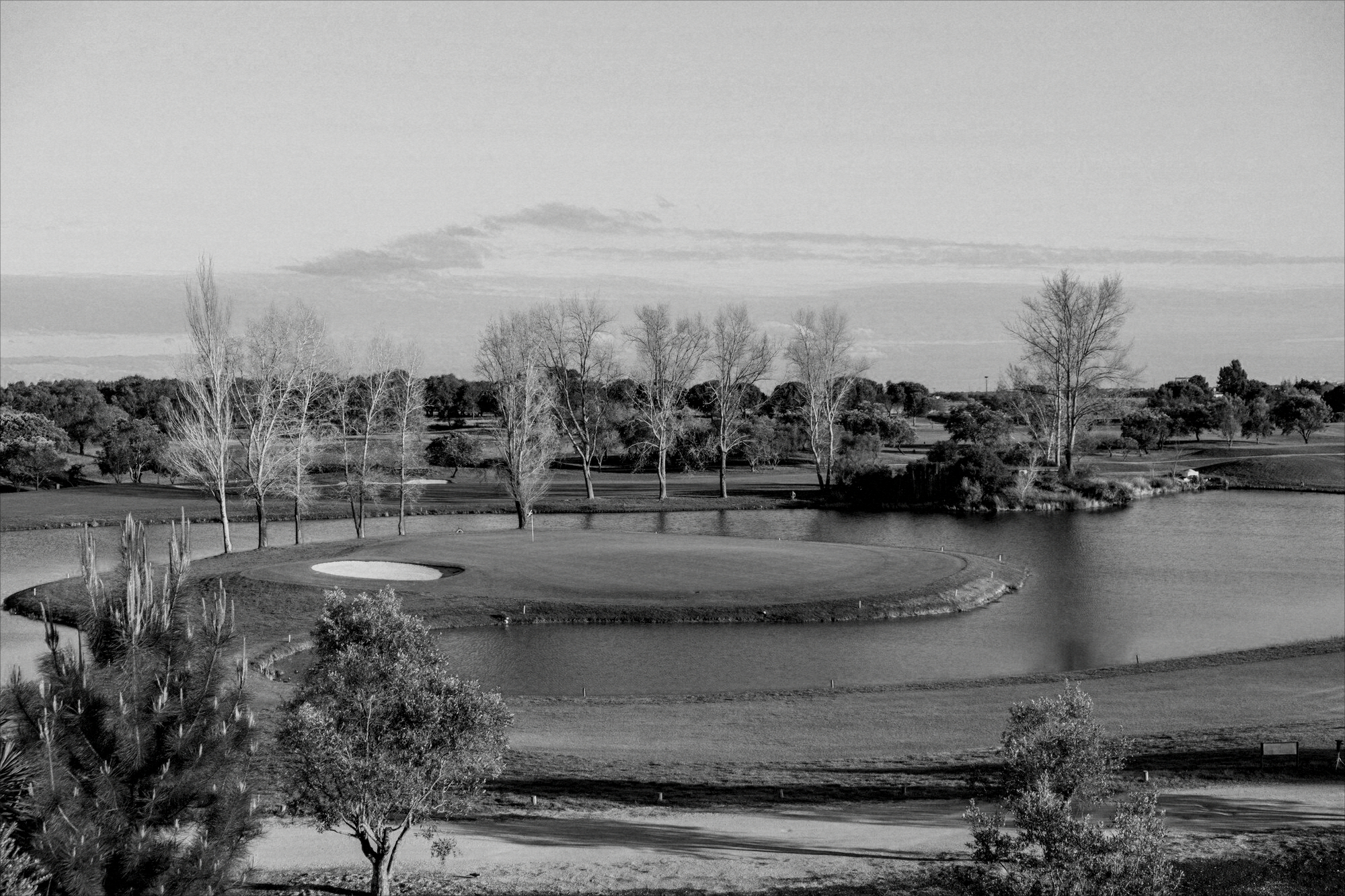

In Spain, some golf courses look like they belong on a postcard… yet their annual accounts read like a horror story. Five-star hotels that shine on the outside while bleeding on the inside. The problem isn’t new, but it remains dangerously expensive.
Spain has broken records: over 85 million international tourists and more than €108 billion in tourism revenues in 2024 alone. Foreign investment in real estate surpassed €12 billion, mainly in tourism, residential, and sports assets.
And yet, many of these projects fail to deliver the expected returns.
Not because of the climate.
Not because of demand.
Not because of the product.
Because of management.
Building well is not enough. An asset doesn’t become profitable just because it’s located on the Costa del Sol or boasts spectacular design. Profitability comes from leadership, operations, and positioning. And that is where millions are lost every year.
High-end golf courses, newly renovated resorts, prime residential developments… projects backed by serious capital and real potential. But after a promising start, they lose traction, reputation, and value due to a lack of strategic direction.
The Knight Frank 2024 report shows that 72% of investors now prioritize management quality over physical design. Deloitte estimates that professional leadership can increase an asset’s value by 15% to 25% in just three to five years. No structural investments. Just the right direction.
And yet, many key decisions are still made based on internal politics, personal ties, or simple convenience. Millions are invested in flawless facilities, but those who should make them profitable are neglected. Loyalty is rewarded. Competence is not.
Achieving sustainable returns requires more than good intentions or basic operational experience. In too many cases, those leading these assets lack business training, strategic analysis tools, and exposure to international investment frameworks. Being close to the sector is not the same as knowing how to turn facilities into assets, build sustainable business models, or read the market with a global vision. That preparation cannot be improvised. It is forged in demanding environments, refined in international markets, and validated with real results.
Assets don’t fail because they’re poorly built. They fail because they’re poorly led.
In the Emirates, in the U.S., or in Southeast Asia, tourism and sports assets are treated for what they are: investment vehicles. With a roadmap. With KPIs. With clear return strategies. And with leaders prepared to execute them.
In those markets, leadership is never left to chance. It is assessed. Selected. Backed.
Bringing that mindset to Spain is not a future ambition. It is an urgent necessity.
Recently, a resort in Southern Europe doubled its EBITDA in just two years. No major renovations. No change of ownership. Just a shift in strategy. And that shift started with leadership.
I have seen golf resorts multiply their profitability with the right person at the helm. And I have seen the same infrastructure lose value simply because it was in the wrong hands.
The difference isn’t visible at the beginning. But it becomes evident over time. Especially in the numbers.
Spain already has what money cannot buy: climate, location, stability, demand. What is often missing is discernment. Because without a management culture focused on returns, investors are buying potential… that others will know how to exploit.
An asset doesn’t appreciate in value by inertia. It appreciates through strategy. And it performs through talent.
In saturated markets, the only lasting advantage is the intelligence behind those who lead.
And not every asset has it.